Kansas Casino Floor: What Is the Minimum Bet?
The absolute floor for a live table game wager on a Kansas casino floor starts at a shockingly low one dollar, but that single buck only applies to specific electronic table game terminals and certain off-peak blackjack tables in the smaller tribal properties. If you walk into the Kansas Star Casino in Mulvane or the Boot Hill Casino in Dodge City expecting a dollar craps table on a Saturday night, you are going to get laughed off the felt. The real minimum bet structure in Kansas is a fragmented mess of tribal sovereignty rules, state-owned casino regulations, and pit boss discretion.
The Two-Tiered Regulatory Trap
Kansas does not have a unified gaming commission that dictates table minimums across the board. You have the four state-owned casinos — Kansas Star, Boot Hill, Hollywood Casino at Kansas Speedway, and Kansas Crossing — which operate under the Kansas Lottery and have relatively standardized minimums. Then you have the tribal casinos, which are sovereign nations operating under compacts. That legal split means the minimum bet at a tribal property like Prairie Band Casino can be drastically different from a state-owned facility just forty miles away. The state-owned casinos typically start blackjack at five dollars during weekdays and jump to ten or fifteen dollars on weekends. The tribal properties are far more aggressive with their floor limits, often running two-dollar and three-dollar blackjack games during graveyard shifts to keep the tables full.
Electronic Table Games Are the Real Floor
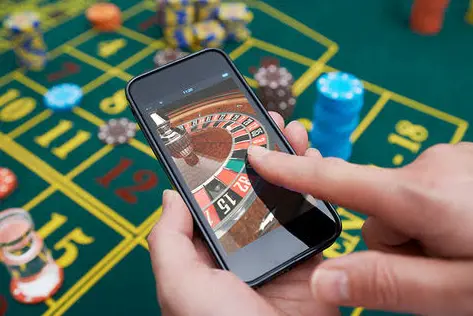
If you are hunting for the absolute lowest legal wager in the state, forget the live felt entirely. The true minimum bet lives on the electronic table game terminals — those hybrid machines that simulate roulette, blackjack, and craps with a live dealer on a screen or a mechanical arm. These terminals consistently offer one-dollar minimums and sometimes even fifty-cent minimums on select carny games. The catch is that the house edge on these electronic versions is often twenty to thirty percent higher than the live equivalent. You are trading a lower minimum for a worse mathematical proposition. That is not a bug; it is the entire business model. 🎰

Table Game Specifics and Pit Boss Discretion
Blackjack minimums in Kansas fluctuate more than any other game. A five-dollar table can become a ten-dollar table the moment the pit boss sees a rush of players. Roulette is almost always a five-dollar minimum on the outside bets and a dollar minimum on straight-up numbers in the electronic versions. Craps is the brutal one — you will rarely find a live craps table in Kansas with a minimum below five dollars, and on weekends that jumps to ten dollars flat. The Kansas casino floor is not Vegas. Do not expect to find a three-dollar craps game at midnight on a Friday. It does not exist. The volume simply is not there to support it.
Why the Minimum Bet Keeps Creeping Up
Table minimums in Kansas have been on a steady upward trajectory since 2019. The reason is pure labor economics. A live dealer costs the casino roughly twenty-five to thirty dollars an hour in wages and benefits. If that dealer is running a two-dollar blackjack table with three players, the casino is losing money on the labor alone. The pit bosses know this, and they actively push minimums up to the point where the table becomes profitable per man-hour. That is why you see five-dollar tables disappear at 6 PM on a Friday and reappear at 8 AM on a Tuesday. It is not random. It is a cold, calculated labor-to-theoretical-win ratio. 💸
The Grand Fallacy of the Low Minimum
Chasing the lowest minimum bet on a Kansas casino floor is a fool's errand if you do not factor in the rules. A two-dollar blackjack table that pays six-to-five on a natural and hits soft seventeen is a worse bet than a ten-dollar table that pays three-to-two and stands on all seventeens. The minimum bet is a marketing hook, not a value proposition. The real number you need to calculate is the house edge multiplied by your average bet size and hands per hour. A two-dollar 6:5 game with a 2.5% house edge will bleed you faster than a ten-dollar 3:2 game with a 0.5% house edge. The math does not care about your bankroll feelings. 🤔