Belize Casino Floor: Are Casinos Legal?
Belize does not ban casino gambling — it licenses it, taxes it, and audits it, and that single regulatory fact reshapes every operational decision on the floor. The country legalized casino gaming under the Gaming Control Act, channeling oversight through the Belize Gaming Control Board. Anyone telling you the floor runs in a gray zone has never read the licensing framework. 🎰
The Legal Framework Behind the Belize Casino Floor
The Gaming Control Act empowers the Board to issue casino licenses, set minimum capital requirements, and enforce anti-money-laundering protocols. Operators must clear background vetting, post compliance bonds, and submit to routine audits of gaming hardware and payout tables. This is not a soft jurisdiction — it is a deliberately structured one, built to attract foreign investment while keeping the floor clean of unlicensed play.
What matters for the technician is the hardware chain of custody. Every slot machine, electronic table game, and RNG server deployed on a licensed Belize floor must carry certified firmware with tamper-evident seals. The Board requires independent lab certification of random number generators, and any swap of a game chip triggers a re-certification event. Skip that step and your license is gone. 🔒
Licensing Tiers and What They Mean for Operators
Belize splits casino authorization into distinct tiers, and the tier determines everything from table limits to surveillance requirements. Full casino licenses cover table games, slots, and sportsbook integration. Smaller venue licenses restrict game mix and cap wager ceilings. The Belize casino floor legal structure is tiered precisely because the Board wants proportionate oversight — a boutique gaming room does not need the same CCTV density as a full resort floor, but both must log every hand and every spin.
Here is the part that trips up foreign operators: the licensing entity must maintain a physical presence in Belize, and the Board audits that presence. Shell structures get rejected. The compliance officer on record must be reachable and accountable. This is where legal casino operation in Belize separates from the offshore sportsbook crowd — the land-based floor answers to a domestic regulator with inspection rights.

Taxation, AML, and the Real Compliance Burden
Licensed casinos in Belize face a gross gaming revenue tax that is assessed monthly, with penalties for late remittance that escalate fast. The AML regime mirrors international standards: know-your-customer checks at cash thresholds, suspicious transaction reporting, and mandatory record retention. The Board coordinates with financial intelligence units, and a pattern of structuring cash buys at the cage will draw a compliance review within weeks, not months.
For the floor technician, this translates into concrete hardware demands. Ticket-in, ticket-out systems must produce auditable transaction logs. Cage software must flag cash transactions above reporting thresholds automatically. The legal casino status of the floor is not a marketing claim — it is a live compliance obligation baked into every terminal on the property. 😤
What the Legal Status Does Not Cover
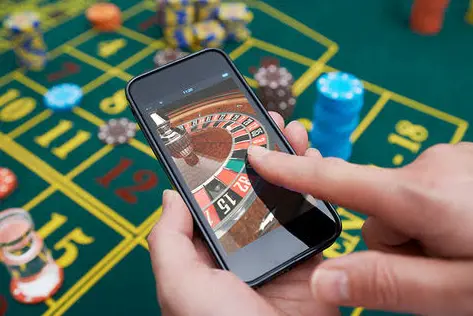
Online gambling sits in a different regulatory bucket, and operators who assume a land-based license extends to digital play are making an expensive mistake. The Board's authority over the physical Belize casino floor does not automatically confer blessing on server-based wagering hosted elsewhere. Cross-border payment processing, affiliate marketing, and crypto settlement each carry separate legal exposure. The floor is legal; the digital perimeter requires its own counsel.
Unlicensed operations face seizure of equipment and criminal referral. The Board has shut down pop-up gaming rooms, and the enforcement pattern is consistent: audit first, seize second, prosecute third. Any operator building a floor in Belize without a license is not exploiting a loophole — they are building a case file against themselves.