Bet Behind Streak Play: How Do You Join?
Joining a bet behind streak play is not about chasing a hot shoe with blind hope — it is a queue mechanic, and if you do not understand the queue, you are the liquidity, not the player. The bet behind streak play model lets a seated player's streak become a shared wagering surface, but the entry rules are dictated by table state, not by your bankroll confidence.
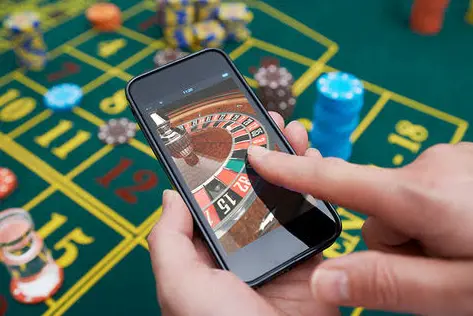
The Queue Is the Game
Every bet behind product runs on a virtual queue bound to the live table feed. You tap the seat, you lock a stake against the next resolved hand of the active streak, and the system timestamps your request against the dealer's card-draw clock. Miss the cutoff by even a fraction and your wager rolls to the following hand — that is the hard edge nobody mentions. The bet behind streak play window typically opens after the previous hand settles and closes at the shuffle signal or the first card out of the shoe, depending on the operator's hardware profile.
Seat allocation is the real gatekeeper. A single anchor player can carry a finite number of backers per hand, and that cap is enforced at the server level, not the UI. When the slot counter hits zero, the join button greys out instantly. 😤 Do not waste time refreshing — the counter is authoritative and the feed does not lie.
Stake Ladders and Streak Anchors
Most platforms tier your joinable stake to the anchor's confirmed bet size. If the streak player is firing a high-volatility ladder, your minimum behind-stake scales with it. This is where the bet behind streak play mechanic punishes the ill-prepared: you cannot enter at a micro-stake against a whale anchor. The multiplier floor exists to protect the table's liability model, and the house is not negotiating.
Watch the anchor's continuation pattern. A true streak player doubles or presses on a defined trigger — usually three consecutive wins against the same shoe segment. Your behind-stake should mirror the trigger, not the emotion. 🎯 Enter on the press, exit before the reset. The algorithm does not reward loyalty, only timing.

Technical Cutoffs You Cannot Bypass
The join protocol fires three checks in sequence: queue position, stake tier compatibility, and clock sync. Fail any one and the request is rejected at the API layer with a silent rollback. There is no partial join, no prorated entry. Your client's latency to the table server matters more than anyone admits — a 200ms round trip can cost you the hand. 🛠️
Resolution is deterministic: the behind-stake settles on the anchor's hand outcome with a capped payout ratio set at join time. Once locked, the ratio does not float with the streak length. That cap is the house's margin, and it is baked into the join contract before you ever see a card.
The anchor's seat persistence is tracked by session token, not by name. If the anchor disconnects mid-streak, the behind pool voids and every locked stake returns to the queue origin. The system treats the streak as a function of continuous seat occupancy — break occupancy and the entire behind structure collapses to zero.